
The Conservation Trip: What Roosevelt Saved
In seven and a half years as president, Theodore Roosevelt put roughly 230 million acres of the United States under public protection — an area larger than Texas and Oklahoma together.
The tally: 5 national parks, 18 national monuments, 150 national forests, 51 federal bird reservations and 4 national game preserves. He created the U.S. Forest Service and grew the national forest system from 43 million acres to 194 million.
Much of it began here, in the country where he ranched. This route connects the Badlands that formed the conviction to the first place he used the new power of the Antiquities Act.

A grassy trail along the rim above the badlands in Theodore Roosevelt National Park.
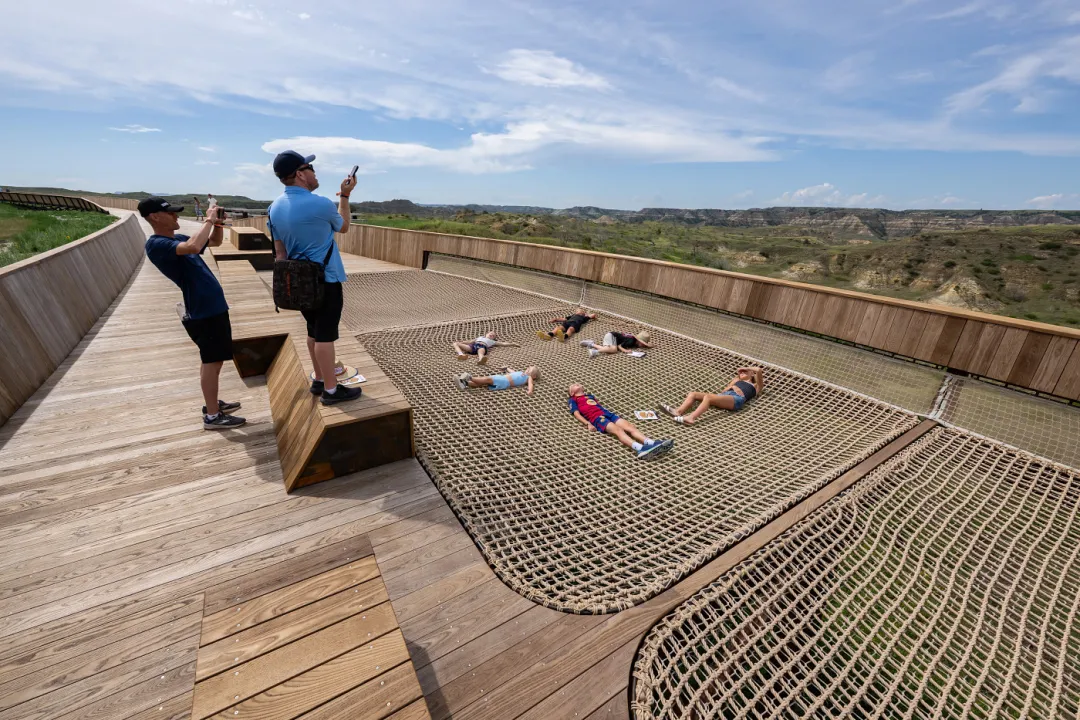
The Library's rooftop boardwalk opens onto the western landscape Roosevelt loved. (Theodore Roosevelt Presidential Library)
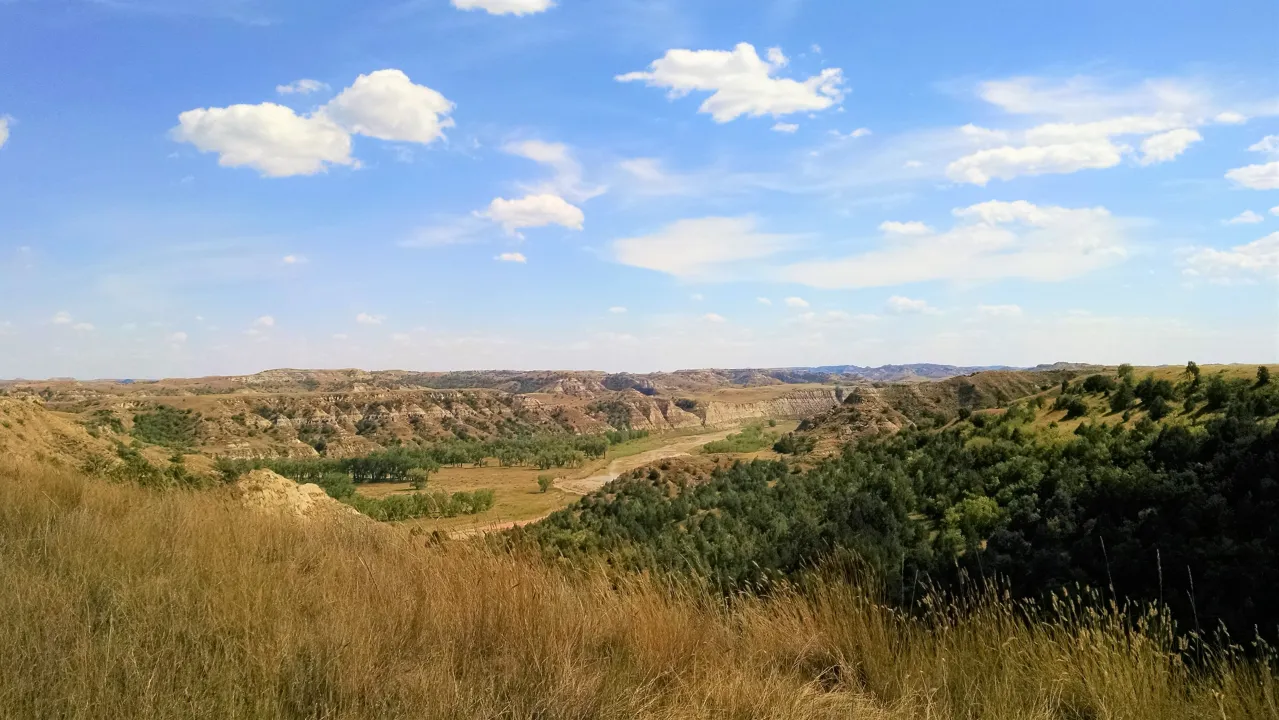
The Little Missouri National Grassland, more than a million acres of public land around the park.
Day 1: Where the conviction came from
Roosevelt watched this country get stripped. He arrived at the tail end of the great buffalo slaughter, ranched through the catastrophic winter of 1886–87 that killed much of the open-range herd, and drew a conclusion he never let go of: that unmanaged use destroys the thing being used.
- Theodore Roosevelt National Park, South Unit — drive the 36-mile scenic loop; bison, elk, prairie dogs and wild horses are all common.
- The Theodore Roosevelt Presidential Library above Medora, where the conservation story is told in full.
- The Little Missouri National Grassland surrounds the park — over a million acres, the largest national grassland in the country.
Overnight in Medora

Devils Tower above pine-covered slopes.
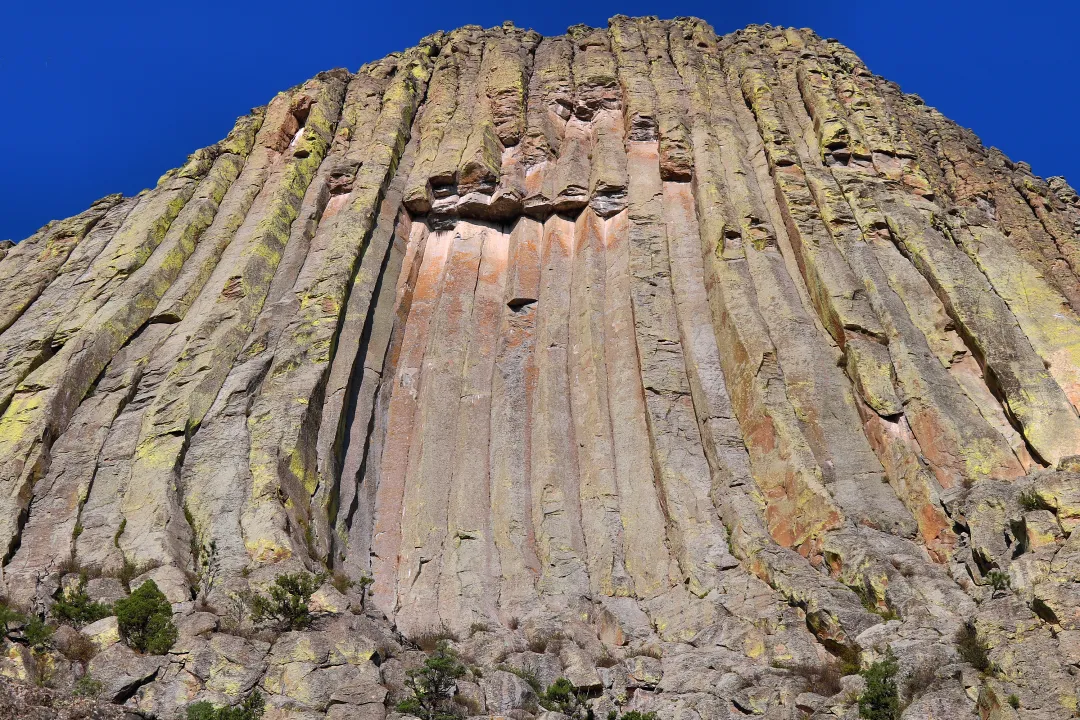
The columns of Devils Tower up close from the Tower Trail.
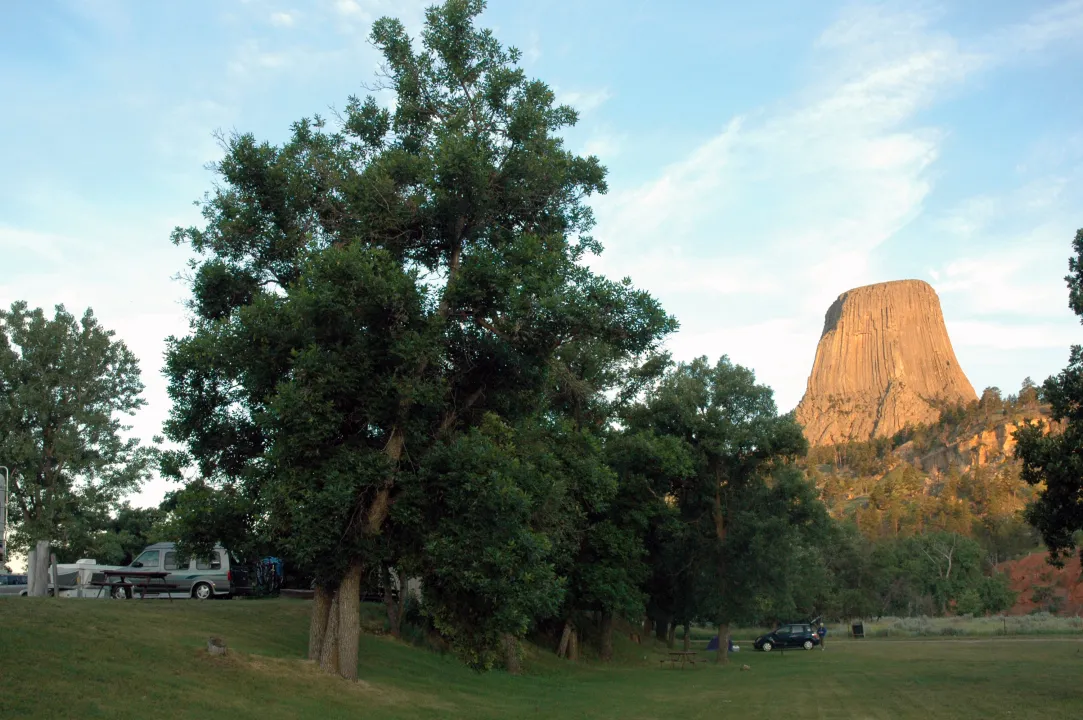
Devils Tower at sunrise.
Day 2: Medora to Devils Tower
On 24 September 1906, Roosevelt signed the proclamation making Devils Tower the first national monument in the United States. The Antiquities Act had been law for three months. He would use it seventeen more times.
- Drive south and west from Medora into northeastern Wyoming.
- Walk the 1.3-mile Tower Trail, the loop around the base. It is paved and takes about an hour at a wander.
- The Tower is sacred to more than twenty Native nations, who know it by names including Bear Lodge. The park asks climbers to voluntarily refrain during June, when ceremonies take place.
~5 hours driving · Overnight near Devils Tower or Deadwood

Bison on the Wildlife Loop Road in Custer State Park.
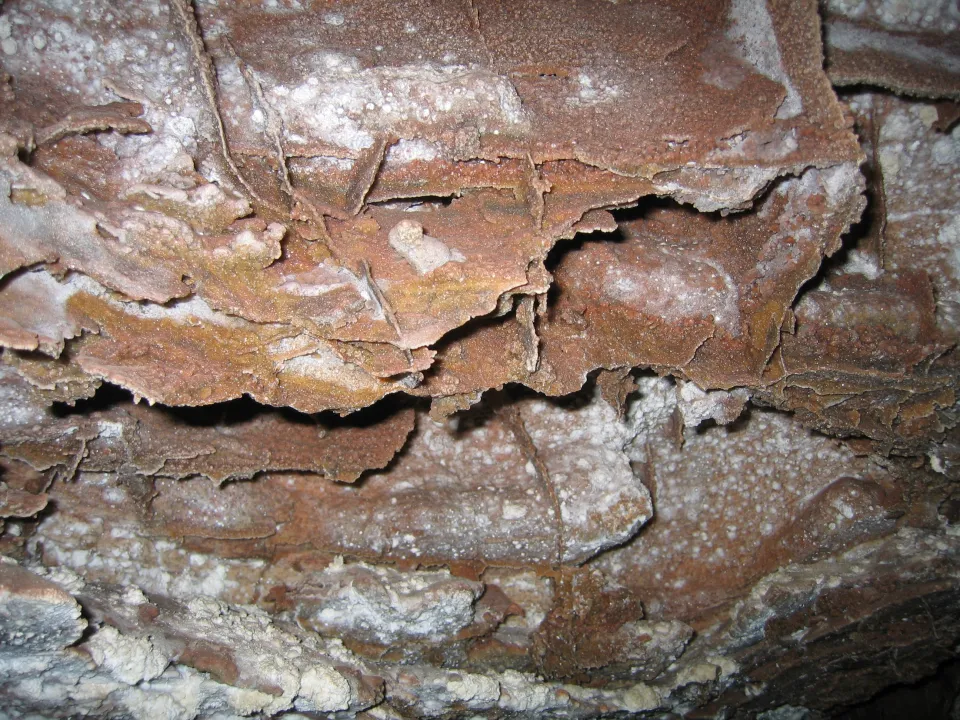
Boxwork in Wind Cave, which Theodore Roosevelt made a national park in 1903.
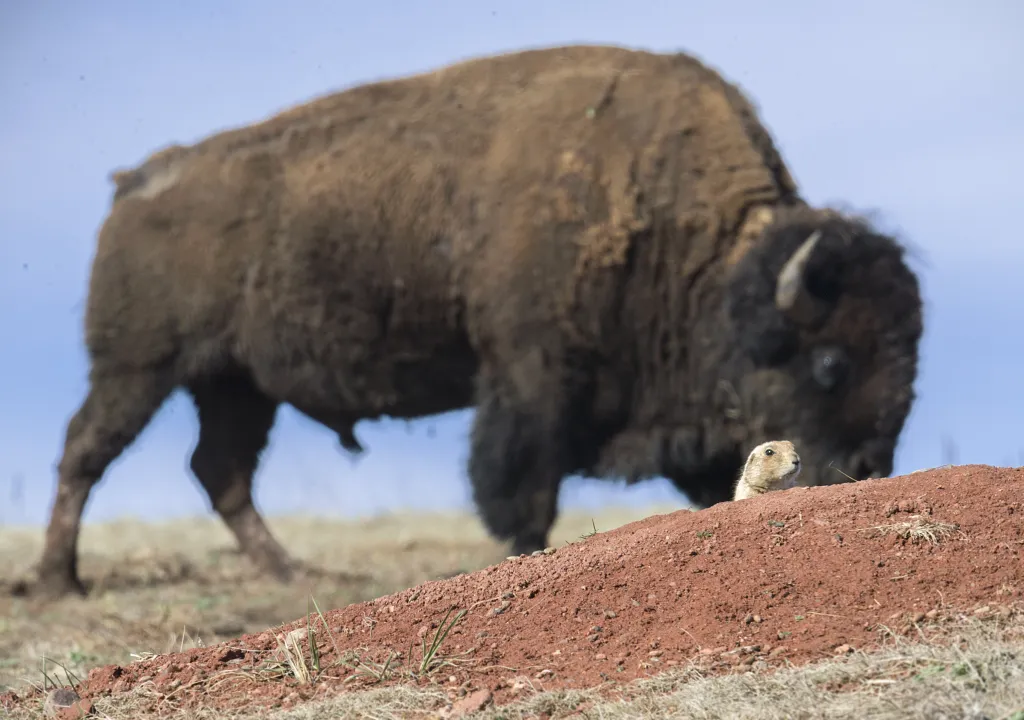
Bison and prairie dogs share the grassland above Wind Cave.
Day 3: Wind Cave and the Black Hills
Wind Cave became the eighth national park in 1903 — the first cave anywhere in the world given national park protection — signed by Roosevelt in his second year in office.
- Take a ranger-led cave tour to see boxwork, a honeycombed calcite formation found in quantity almost nowhere else.
- Above ground the park protects mixed-grass prairie with bison, elk and pronghorn — some of the same restoration work that began under Roosevelt’s game preserves.
- Nearby: Custer State Park and its wildlife loop.
Overnight in Custer or Hot Springs, SD

Crater Lake, Oregon, made a national park by Theodore Roosevelt in 1902.
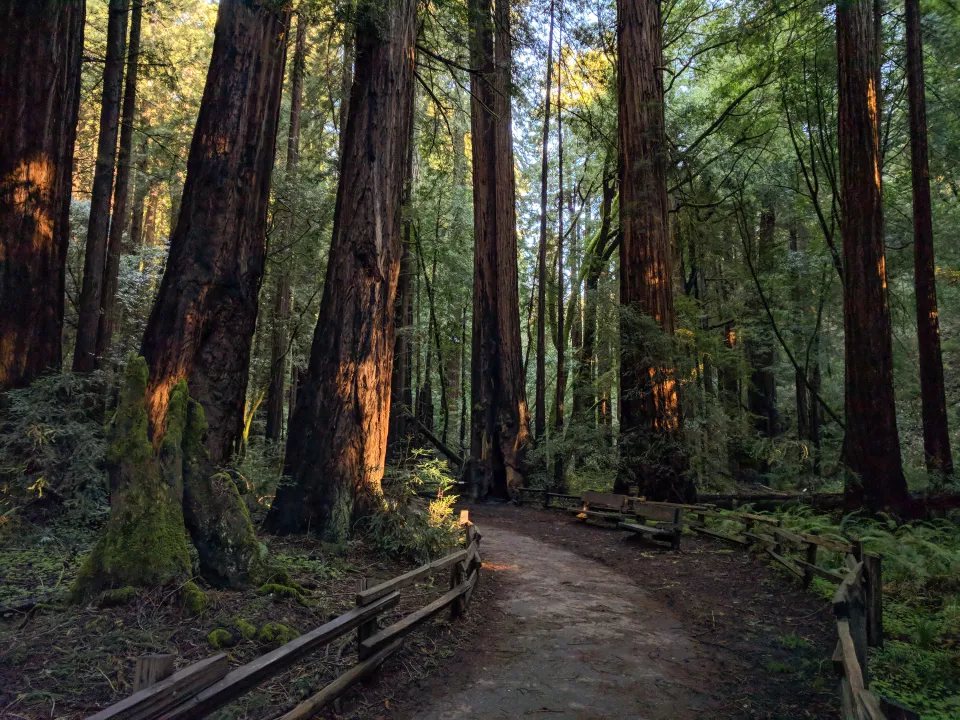
Muir Woods, proclaimed a national monument by Theodore Roosevelt in 1908.
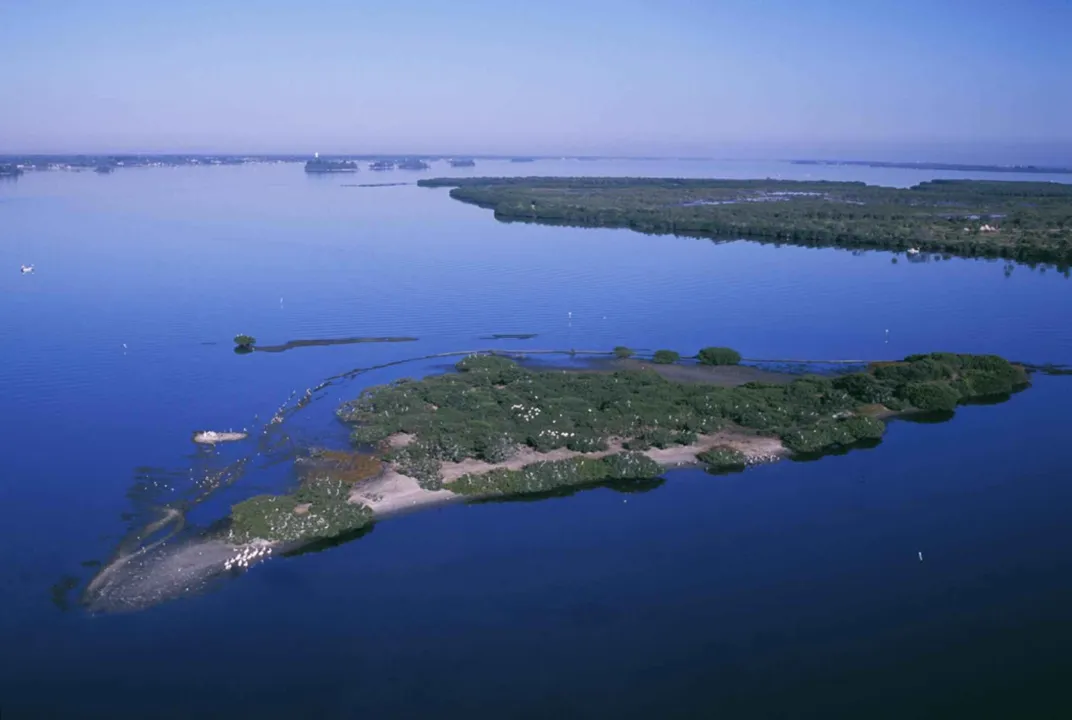
Pelican Island, Florida, the first federal bird reservation, set aside by Roosevelt in 1903.
If you want to keep going
The northern plains portion of Roosevelt’s conservation record is drivable in three days. The rest of it is a much longer trip, and worth knowing about:
- Grand Canyon — he made it a national monument in 1908, over strong local objection. It became a national park in 1919, the year he died.
- Muir Woods, California — national monument, 1908.
- Pelican Island, Florida — the first federal bird reservation, 1903, and the seed of the National Wildlife Refuge System.
- Crater Lake, Oregon — national park, 1902.
Roosevelt’s conservation record is also genuinely contested: the lands he protected were in many cases taken from or already promised to Native nations, and the monuments were created without their consent. The Library’s exhibits take that up directly rather than around.