
The White House Gang
Quentin Roosevelt and the Boys Who Conquered the Executive Mansion
The White House had been many things to those who inhabited it: a symbol of power, a center of diplomacy, a home away from home. But under the Roosevelts, it became something it had never been before: a playground. Not in any organized, sanctioned way. Rather, it became a playground because a group of boys—led by Quentin Roosevelt, the President's youngest son—decided that it should be. These were not just any boys. They were the children of prominent Washington families, invited regularly to the Executive Mansion and given what amounts to unsupervised access to one of the most important buildings in the United States. What they did with that access would become legendary, immortalized in a book by Earle Looker called The White House Gang, one of the most charming accounts of presidential household life ever written.
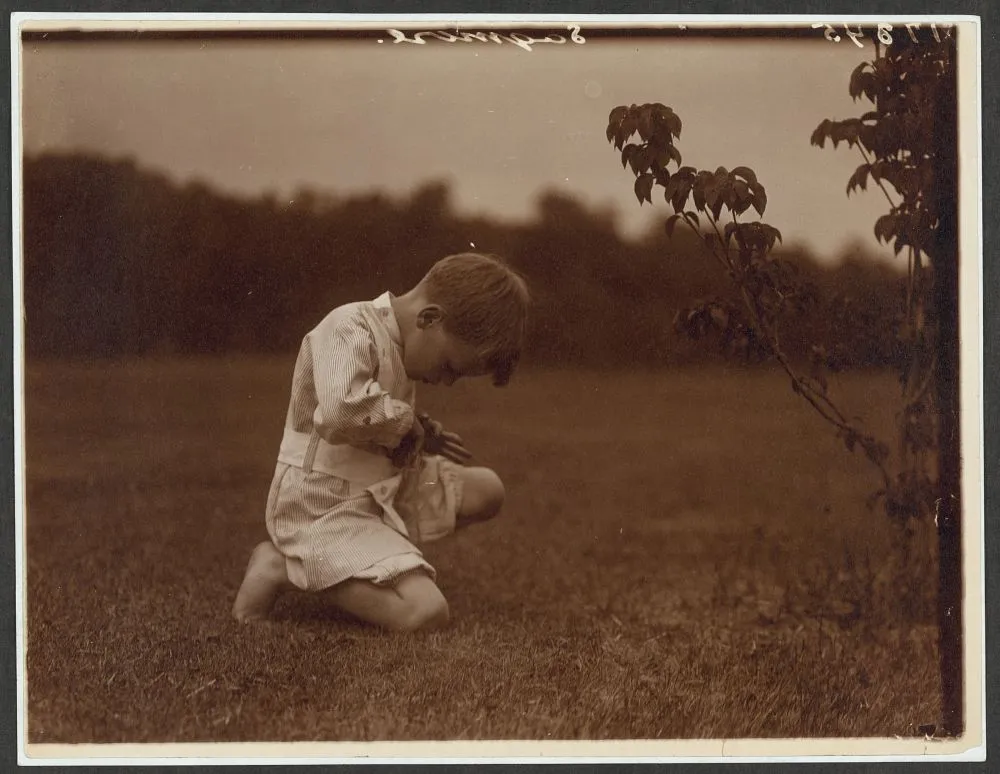
The youngest Roosevelt child, Quentin, at play in the fields of Sagamore Hill in 1904. His mischief and imagination made him the ringleader of the White House Gang. (Library of Congress)

Archie, Quentin, and Ethel Roosevelt, photographed around 1900. Quentin and his brother Archie were at the heart of the rowdy band of boys who treated the Executive Mansion as a playground. (Houghton Library, Harvard)
Who Were the Members of the Gang?
The core of the White House Gang was Quentin Roosevelt himself, the youngest of TR's children and the one who seemed to have inherited his father's capacity for relentless energy and creative mischief. Around him orbited the sons of prominent Washington families—boys whose fathers worked in government or whose families had the social standing to be regular White House visitors. These were not orphans or street children; they were the sons of senators, diplomats, and cabinet members—most famously Charlie Taft, son of Secretary of War (and future president) William Howard Taft. Yet once they crossed the threshold of the Executive Mansion, they seemed to shed the formality that their stations in life demanded. The White House became a place where the ordinary rules did not apply.
Pranks, Pillow Fights, and Presidential Participation
The escapades of the White House Gang have passed into legend partly because TR himself seemed to enjoy their antics. When the boys organized pillow fights in the hallways, the President sometimes joined in. When they planned elaborate practical jokes on visiting dignitaries or staff members, TR often found the affair amusing rather than deplorable. This created a unique dynamic: the President's encouragement gave the boys cover for activities that would have been strictly forbidden in any other household. No parent could punish his son for roughhousing when the President of the United States had just finished roughhousing with him.
The Gang developed its own culture, its own jokes, its own sense of mission. They snuck through the residence in ways that baffled the security staff. They created passages and hideaways that made it nearly impossible for anyone to know where they were at any given moment. They knew the White House better than the architects who designed it. They could navigate its corridors, its back stairs, its storage rooms and attics with the confidence of long familiarity. To the uniformed guards and the official staff, the White House Gang was a permanent problem that no amount of vigilance could fully solve.
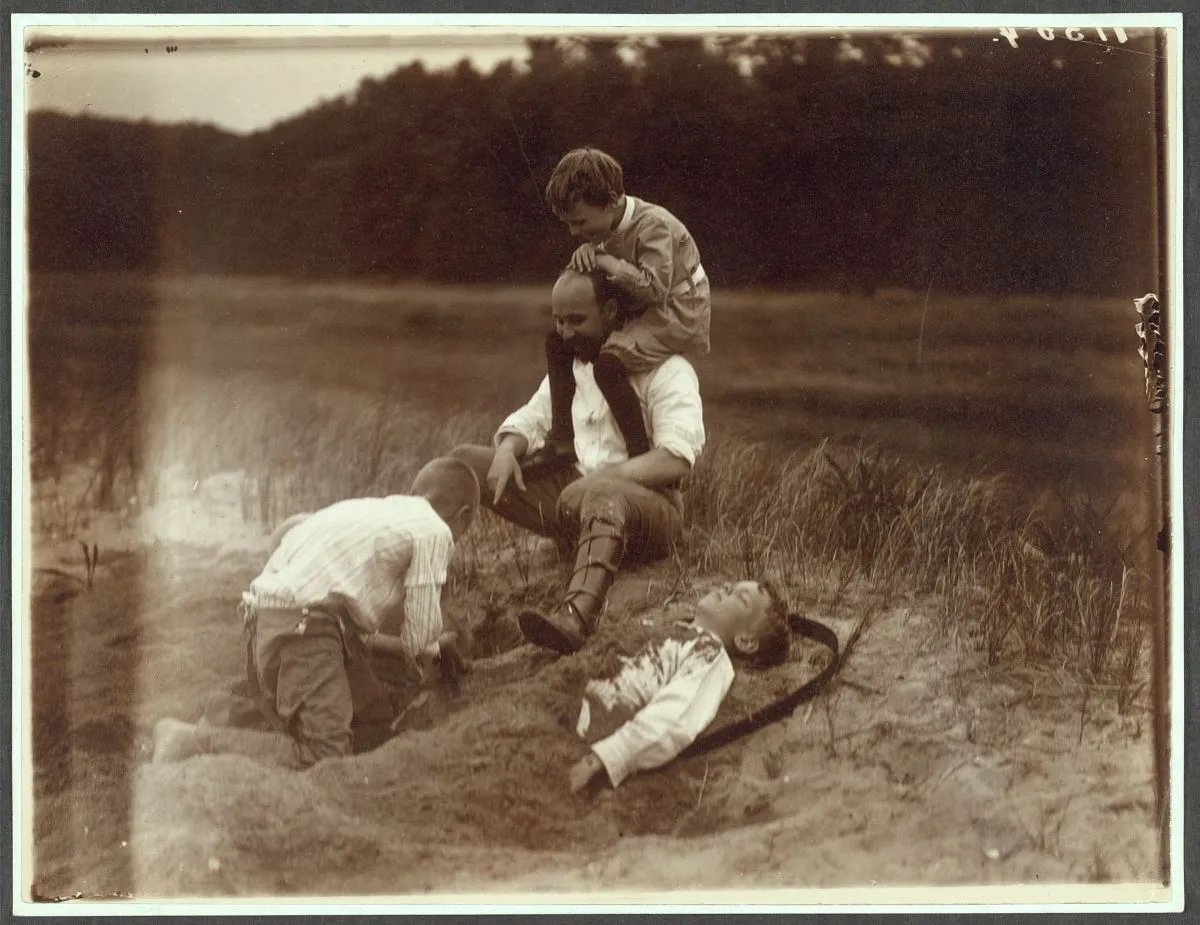
Quentin rides high on a companion’s shoulders as Archie tumbles in the sand at Sagamore Hill in 1904 — the rough-and-tumble spirit the gang carried into the White House corridors. (Library of Congress)

Quentin astride Algonquin, the calico pony the gang famously smuggled up the White House elevator to cheer his ailing brother Archie. Photograph by Frances Benjamin Johnston, 1903. (Houghton Library, Harvard)
Encounters with Secret Service and Official Visitors
The Secret Service agents assigned to protect the President and his family developed a kind of resigned acceptance of the Gang's activities. They could not stop them—the boys were too quick, too clever, and too well-protected by the President's affection. Instead, the agents learned to expect pranks, to maintain a sense of humor about being outwitted, and to keep careful watch that the boys' adventures did not actually endanger anyone. There was a thin line between mischief and genuine danger, and the Secret Service had to know where that line was.
Foreign dignitaries and American politicians visiting the White House sometimes fell victim to the Gang's sense of humor. A visiting ambassador might find a frog in his pocket. A senator waiting to speak with the President might encounter a pillow-fight ambush in an unexpected corridor. The White House Gang operated with what they seemed to believe was justified mischief—not malicious, but not entirely considerate either. The building was their realm, and visitors were simply people passing through their domain.
The Secret Passages and Hidden Spaces
Part of what made the White House Gang so effective at their adventures was that the Executive Mansion, like all old buildings, contained passages and spaces that were not obvious to ordinary visitors. There were back stairs that staff used to move through the building without being seen. There were storage rooms that nobody quite remembered. There were alcoves and corners where a small boy could hide with near-perfect invisibility. The Gang mapped all of these spaces. They knew where a servant might emerge from a hidden passage. They knew which corridors connected which rooms. This knowledge gave them an enormous advantage in their games and pranks. To the boys, the White House was not a formal state building. It was a maze, and they had learned the maze better than anyone else.
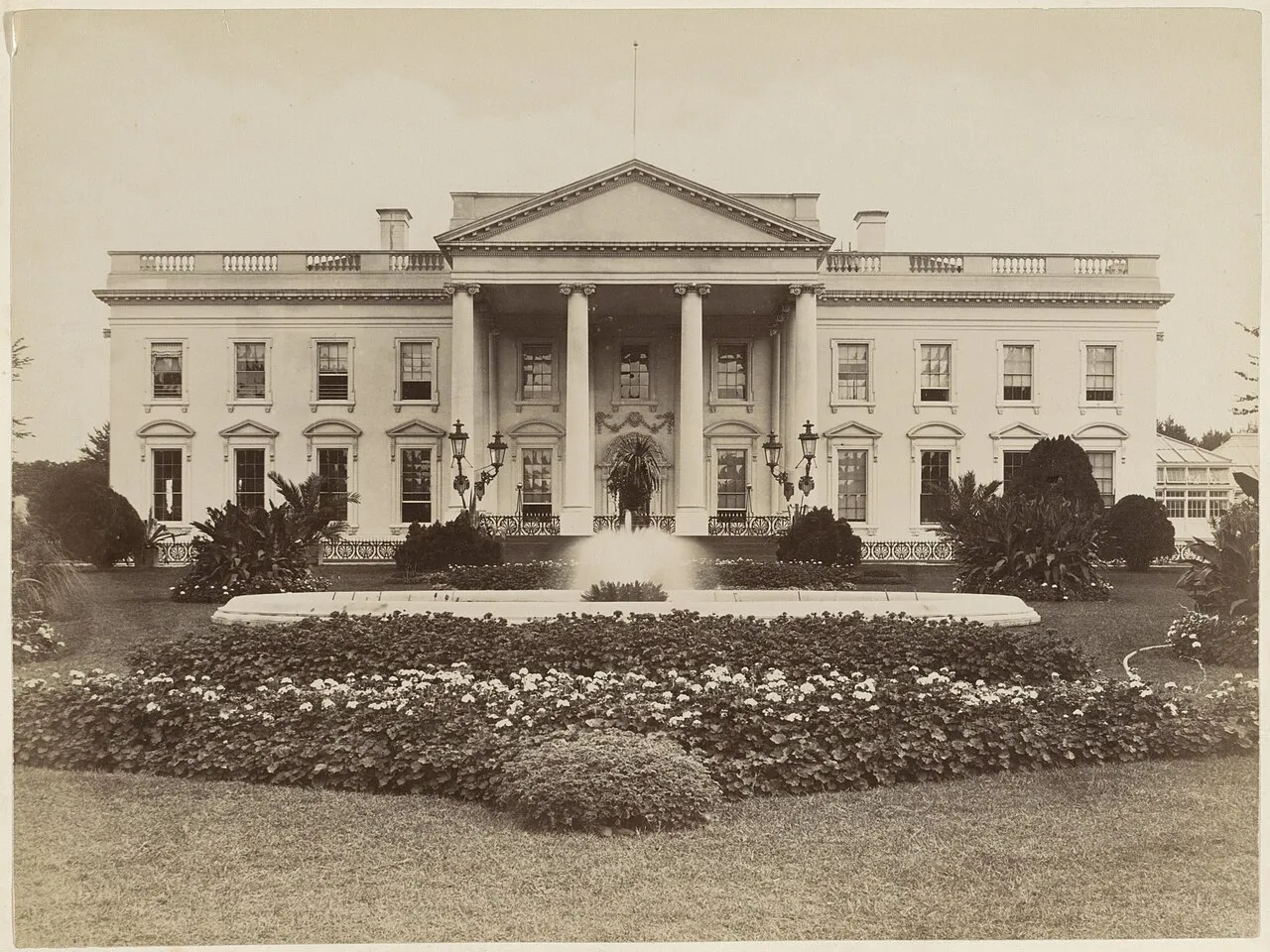
The White House as the Roosevelt children knew it — grand rooms, back stairways, and hidden corners that the gang claimed as its own, about 1900. (Rijksmuseum)
TR's Encouragement and Philosophy
What made the White House Gang experience genuinely unique was that the President of the United States actively encouraged it. TR believed that boys should be adventurous. He believed that children should have the freedom to test themselves, to explore, to engage in activities that built strength and courage and character. The formal atmosphere that typically surrounded the presidency was, in his view, antithetical to healthy childhood. If boys were to become men of vigor and capacity, they needed space to run, to play, to take risks. The White House Gang, in TR's philosophy, represented exactly what American boyhood should look like: energetic, fearless, and relentlessly creative.
This philosophy did not make life easier for the White House staff. But it made the Roosevelt presidency something entirely new: a place where an ancient building filled with power and tradition was also a place where children could be children in their most authentic, mischievous forms.
Continue Reading
- White House Pets: The Roosevelt Menagerie — The extraordinary animals that filled the Executive Mansion
- The Roosevelt Children — The remarkable siblings who shaped life under this unique presidency
- The Presidency — Roosevelt's years in the White House and the way he transformed the office
Primary Sources at the TR Center
Explore letters, photographs, and documents related to Roosevelt family life and the White House Gang in the Theodore Roosevelt Center Digital Library.
- Roosevelt Family Encyclopedia — Essays and primary sources on family dynamics and household life
- The Roosevelt White House — Resources documenting daily life and activities during the Roosevelt presidency
From the Archives
Explore original photographs, documents, and illustrations related to this topic in the Theodore Roosevelt Center Digital Library.
Recommended Reading
- The White House Gang by Earle Looker (1929)
- Theodore Roosevelt: A Life by Nathan Miller (2011). ISBN: 978-0061340382
- The Roosevelt Family of Sagamore Hill by Hermann Hagedorn (1954)